


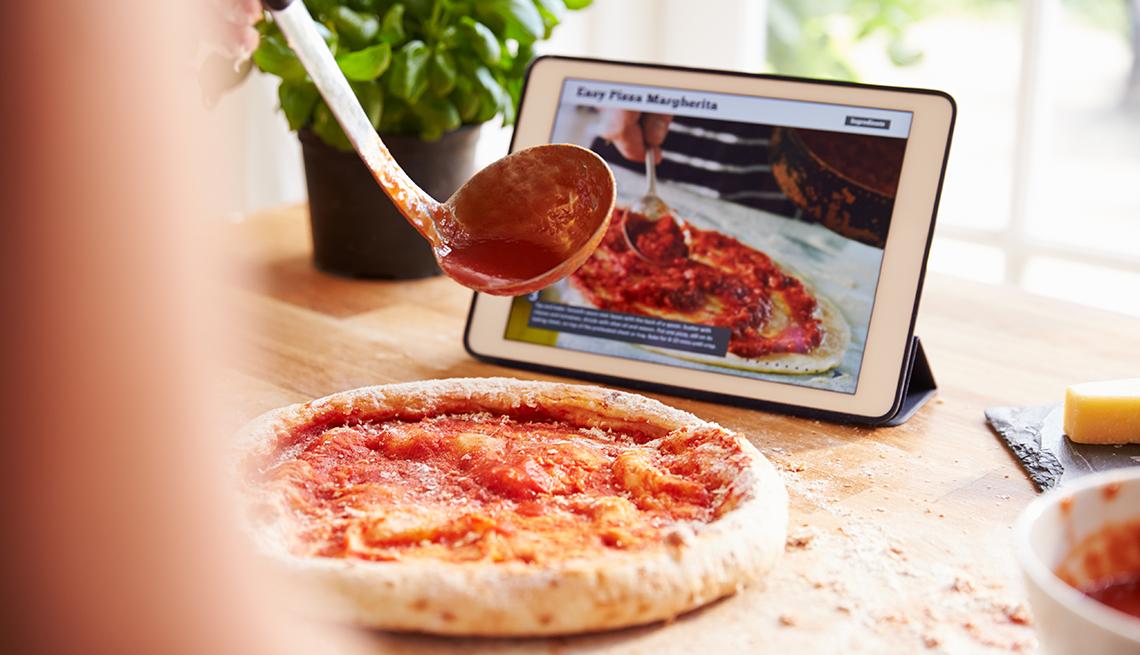
A comprehensive Recipe Apps Market Analysis is crucial for developers, investors, and marketers to understand the forces shaping this competitive sector. This analysis reveals a market driven by strong consumer demand but also fraught with challenges related to user retention and monetization. By applying a strategic framework like a SWOT analysis, stakeholders can gain a clearer picture of the industry's internal strengths and weaknesses, as well as the external opportunities and threats that lie ahead. Such an examination is essential for identifying sustainable growth strategies, navigating competitive pressures, and anticipating the future evolution of how technology will continue to shape our relationship with food and cooking, moving beyond simple metrics to understand the core dynamics at play.
The market's primary internal strengths lie in its ability to tap into a universal daily need—eating—which creates high potential for user engagement and habit formation. Successful apps build strong, loyal communities and generate valuable data on consumer food trends. However, the market's weaknesses are also significant. The cost of acquiring new users can be high in such a crowded space, and user churn is a constant problem; many users will download an app for a specific occasion and then let it sit idle. Monetization is another major challenge, as consumers are often reluctant to pay for content they believe they can find for free online, making the conversion to paid subscriptions difficult and putting pressure on advertising-based revenue models.
Externally, the market is ripe with opportunities for innovation and growth. The most significant opportunity lies in deeper integration with the connected kitchen. As smart appliances like ovens, refrigerators, and scales become more common, recipe apps that can communicate with these devices to automate cooking steps will have a powerful competitive advantage. The rise of artificial intelligence (AI) offers the opportunity for hyper-personalization, with apps that can recommend recipes based on a user's dietary goals, available ingredients, and even their mood. Furthermore, the growing trend of live stream shopping presents an opportunity to merge content with commerce, allowing users to buy ingredients or kitchen tools directly during a live cooking demonstration.
Conversely, the industry faces several potent external threats. The biggest threat comes from the major social media platforms themselves. The proliferation of recipe content on TikTok, Instagram, and Pinterest means that these general-purpose social apps are a major source of competition, often with more powerful discovery algorithms. Another threat is the rising cost of groceries, which could potentially reduce consumers' willingness to experiment with new recipes that require unfamiliar or expensive ingredients. Finally, increasing consumer awareness and regulatory scrutiny around data privacy could pose a threat, potentially limiting the ability of apps to collect and leverage the user data that is so valuable for personalization and targeted advertising.
Top Trending Reports:
Traditional Radio Advertising Market

 English
 Arabic
 French
 Spanish
 Portuguese
 Deutsch
 Turkish
 Dutch
Dutch
 Italiano
 Russian
 Romaian
 Portuguese (Brazil)